We Accidentally Fed Our Dog Twice a Day for Weeks
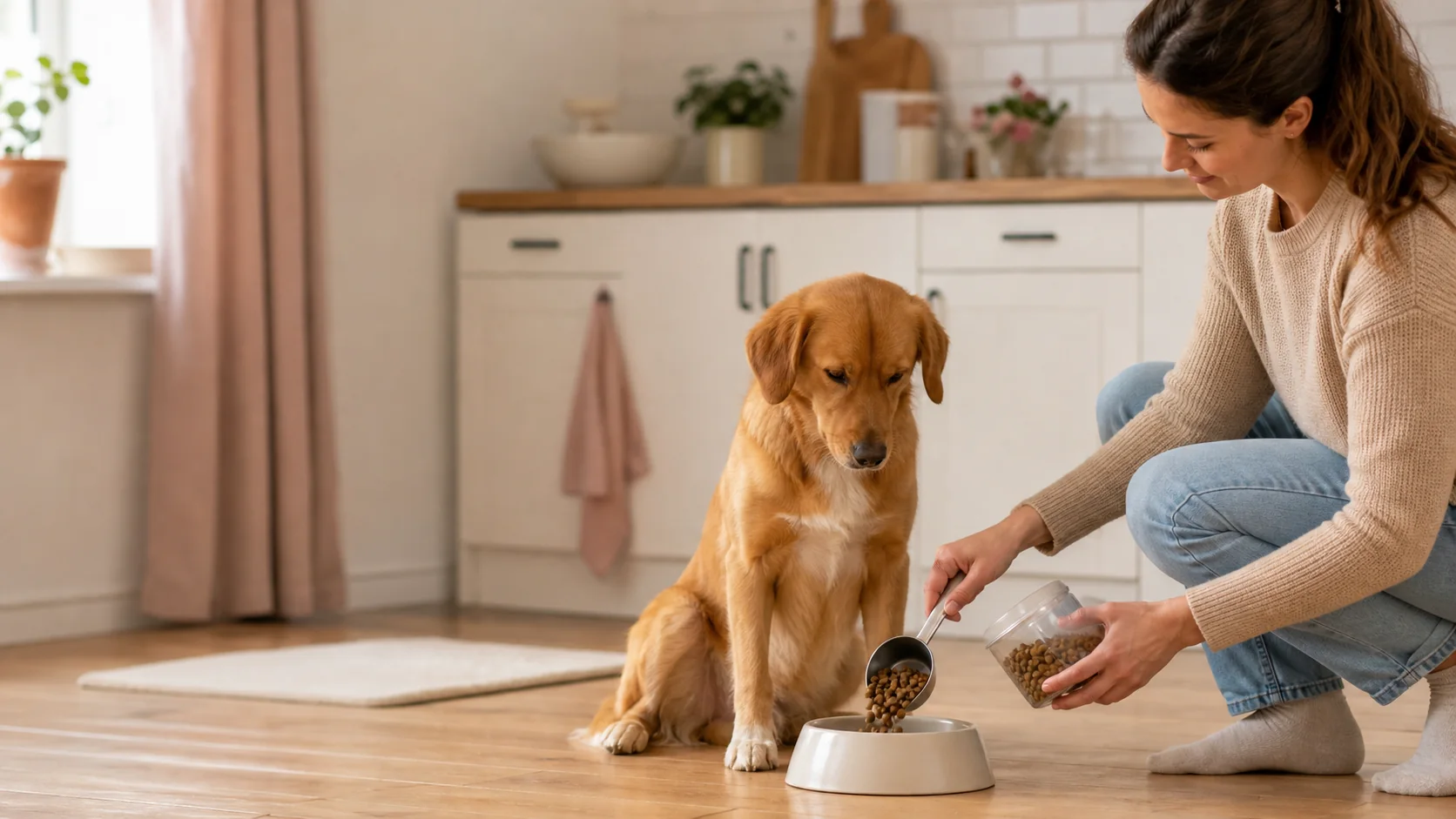
Everyone in the house was trying to care for Oscar. That was exactly how breakfast happened twice—and sometimes not at all.
Read the storyThe Petive Journal
Honest household stories and carefully sourced guides about making everyday pet care calmer, more consistent, and easier to share.

Everyone in the house was trying to care for Oscar. That was exactly how breakfast happened twice—and sometimes not at all.
Read the story
Nori’s medicine lived in the kitchen. So did both of us. Somehow that still did not mean either of us knew whether she had received it.
Read the story
The carrier was packed, the dog was in the car, and we were somehow seven days late.
Read the story
The instructions were detailed, printed, and completely out of date in three places that mattered.
Read the story
Bean moved between our homes in one canvas tote. His feeding history did not.
Read the story
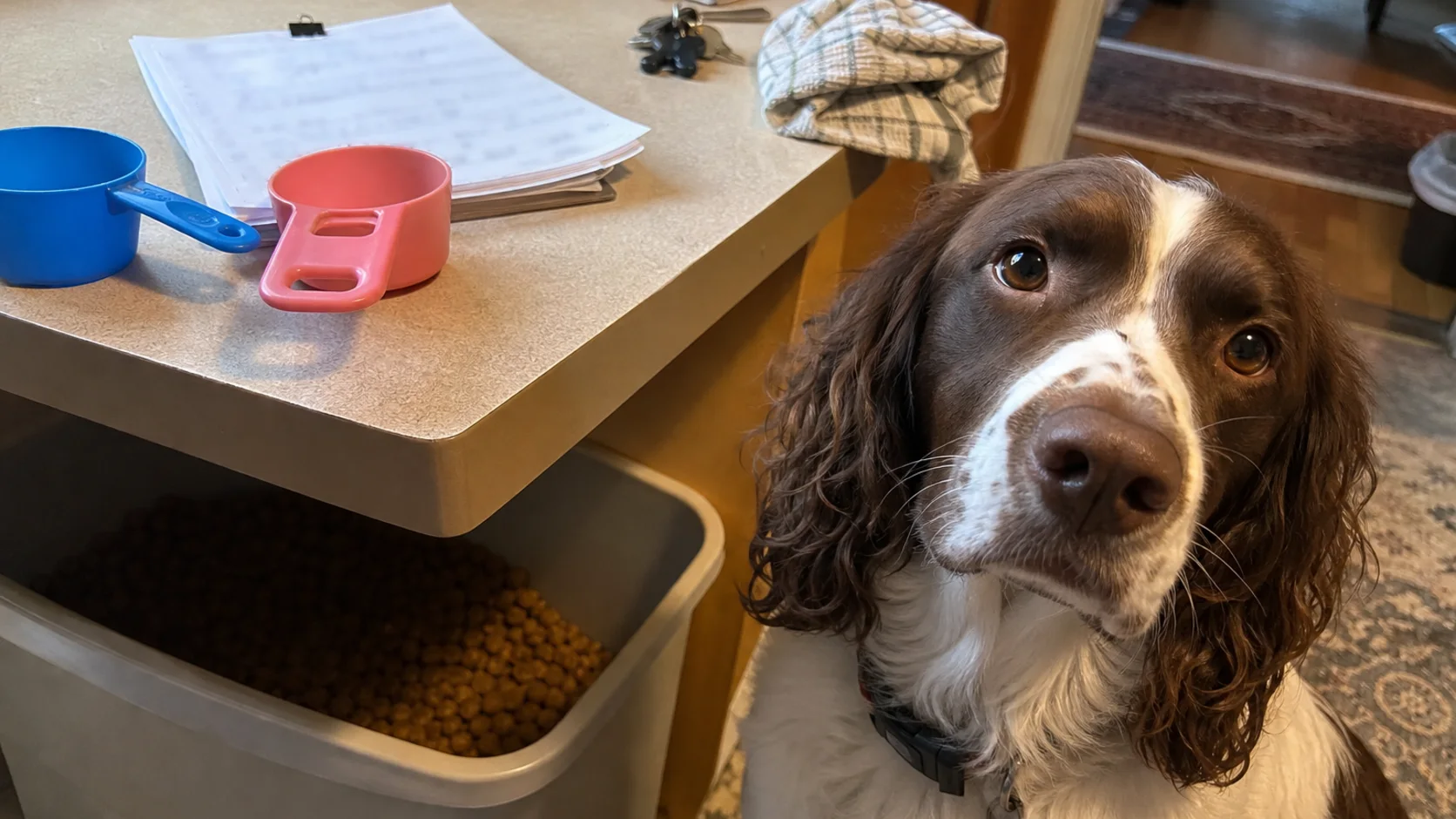
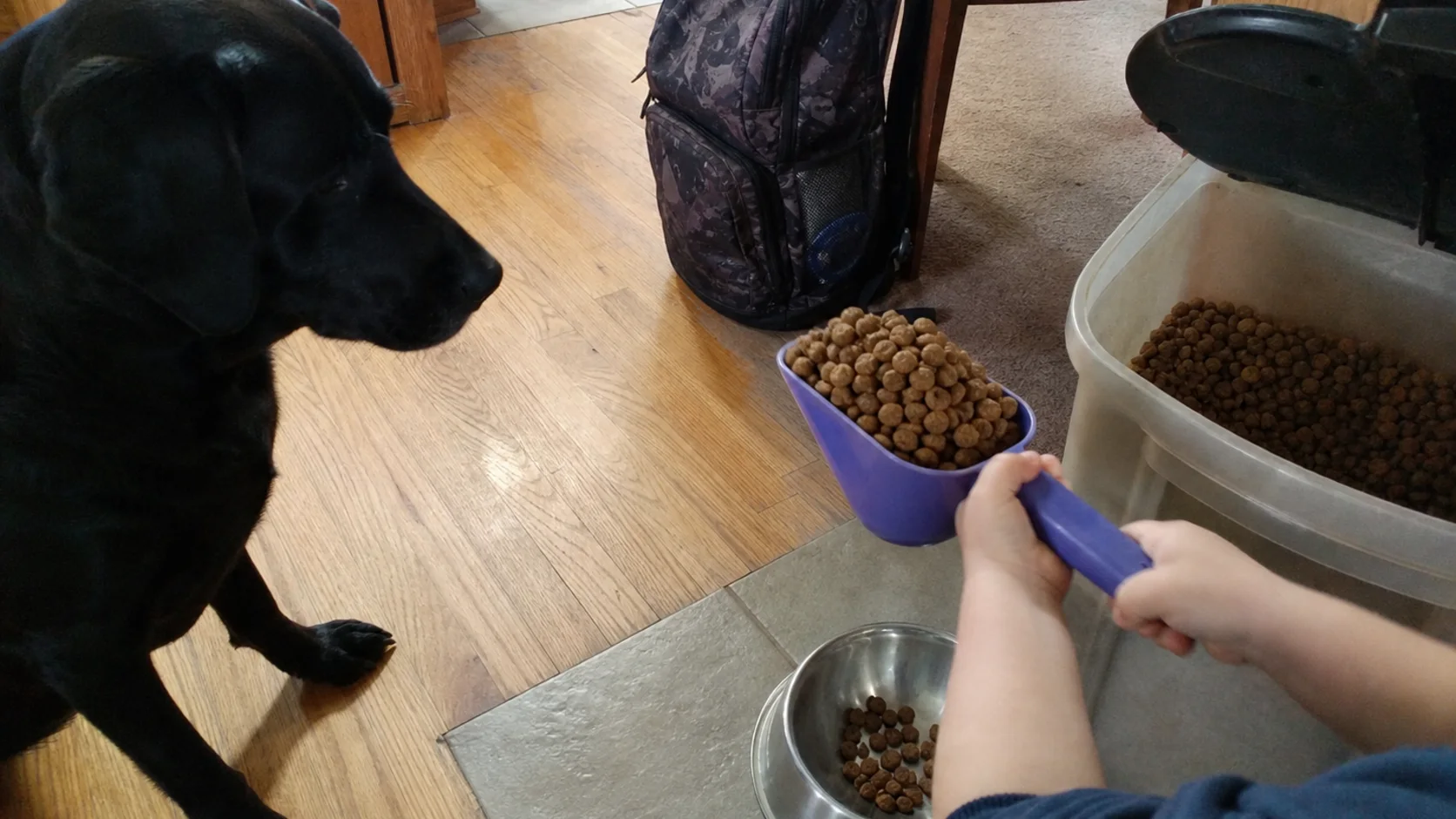
He followed the rule every morning. We were the adults who had never explained what one scoop actually meant.
Read the story
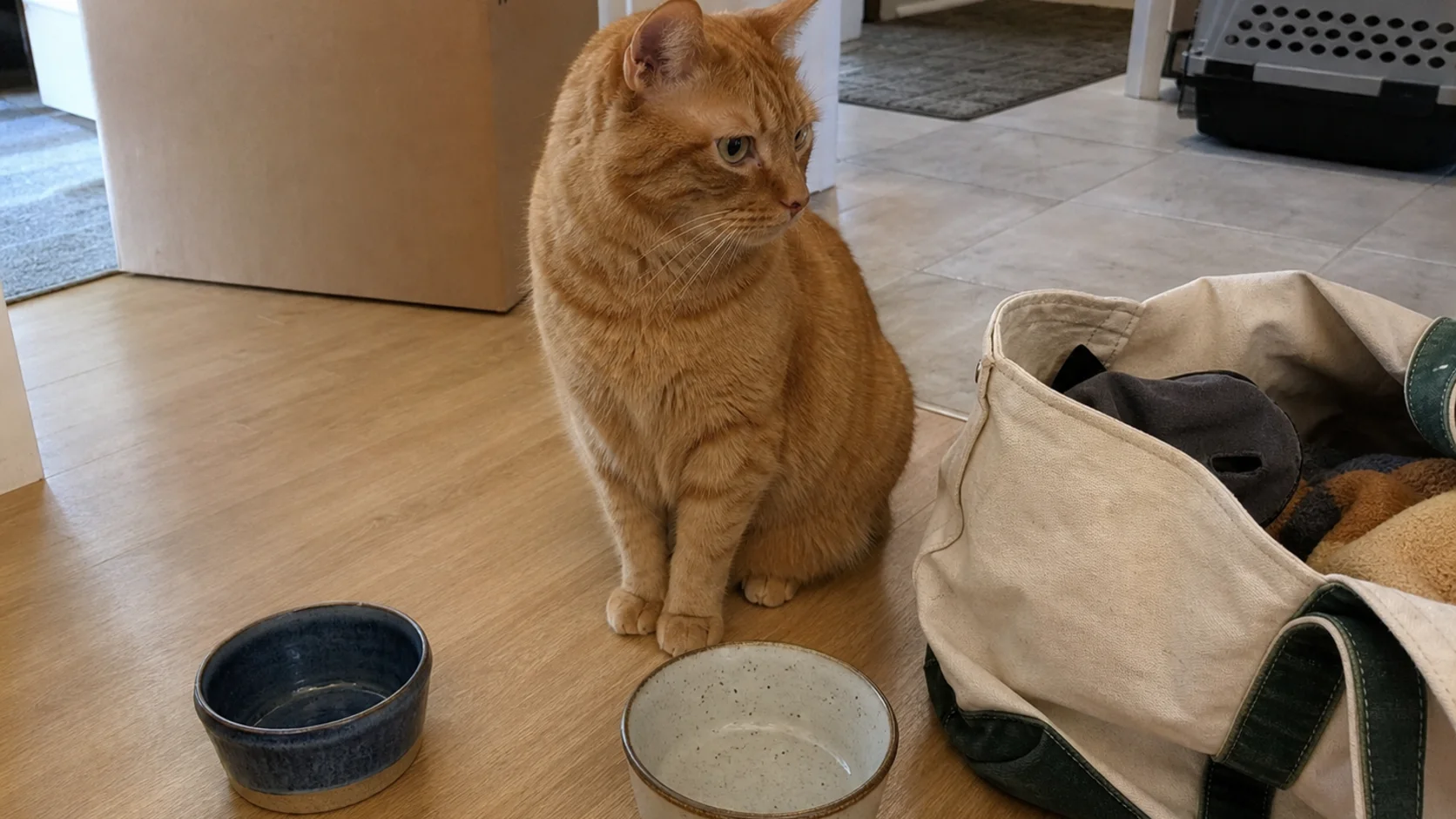
We did not have a person responsible for the water bowl. We had three people who noticed it occasionally.
Read the story
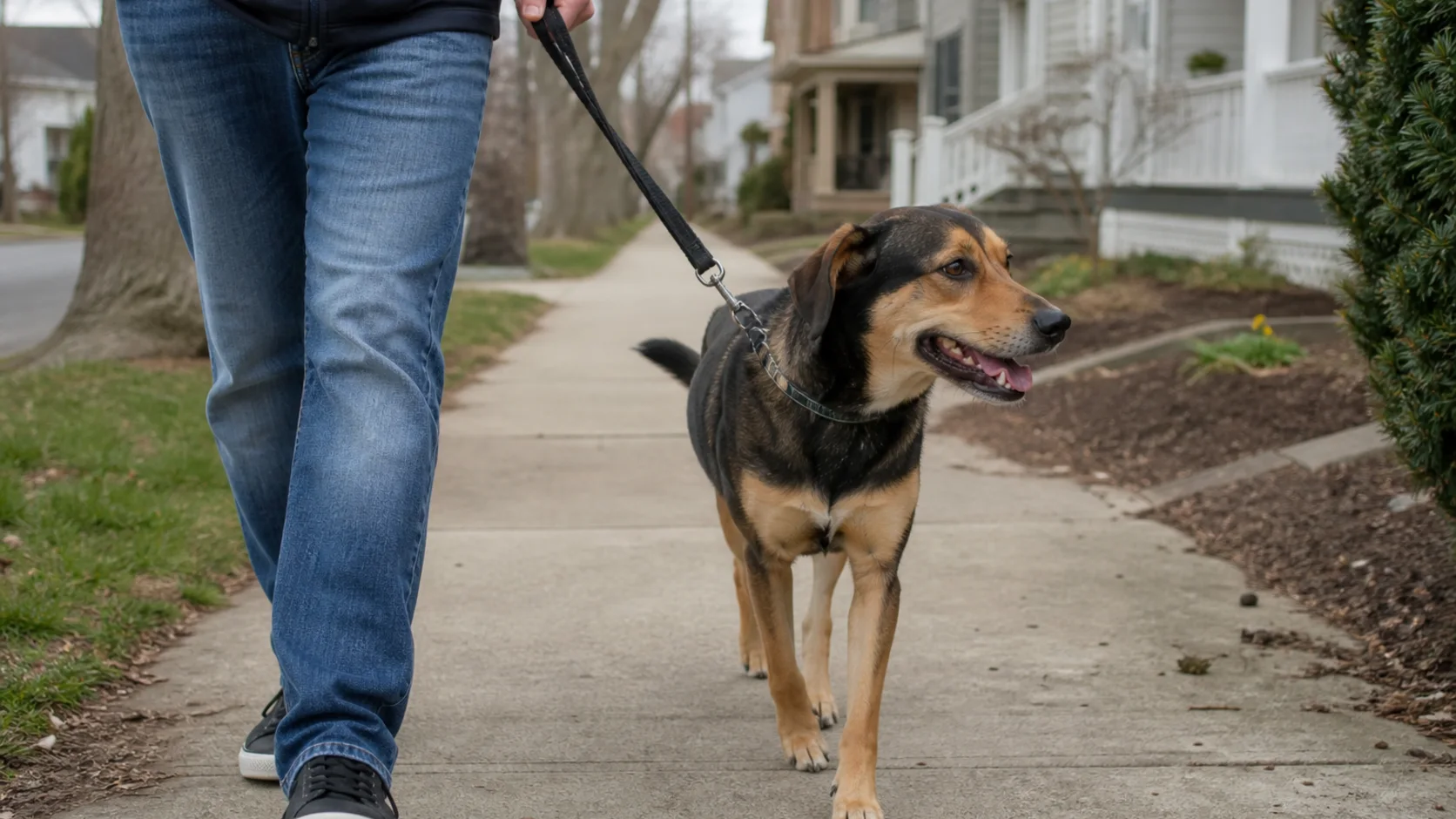
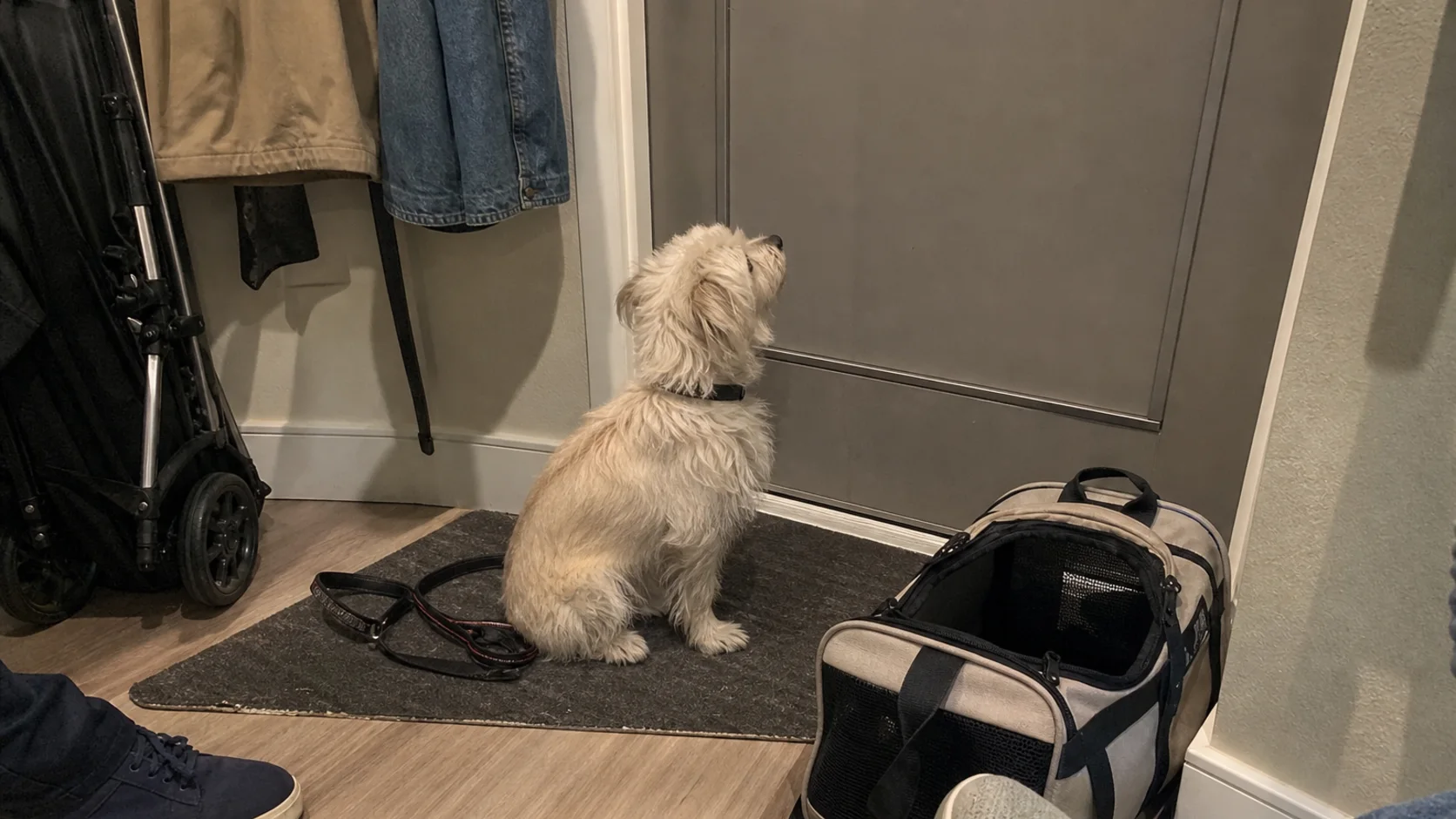
The leash was still on the door at ten o’clock. That was when we finally compared our versions of the evening.
Read the story
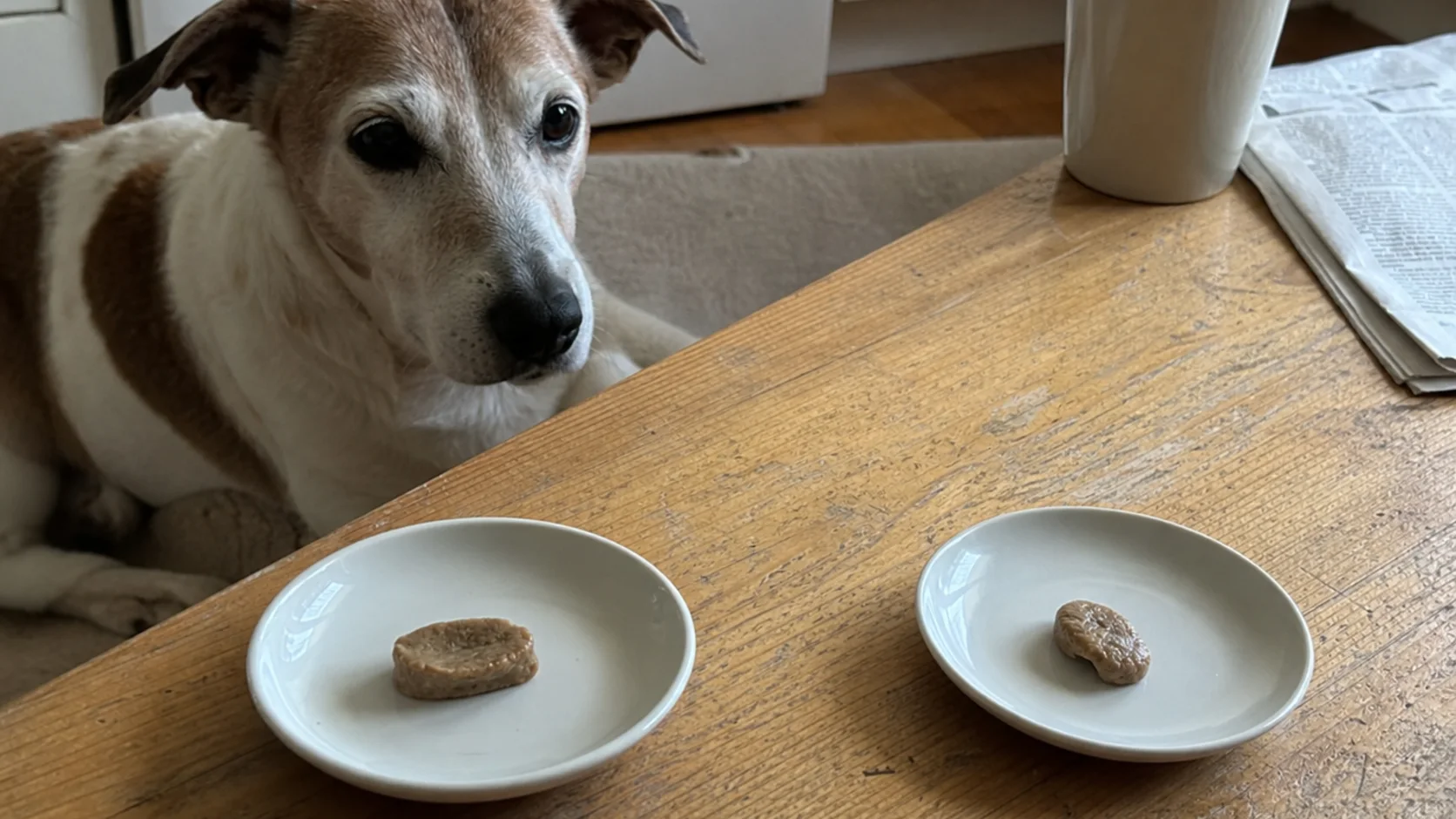
The second empty treat was still on the saucer when my husband said the sentence that made the whole kitchen go quiet.
Read the story
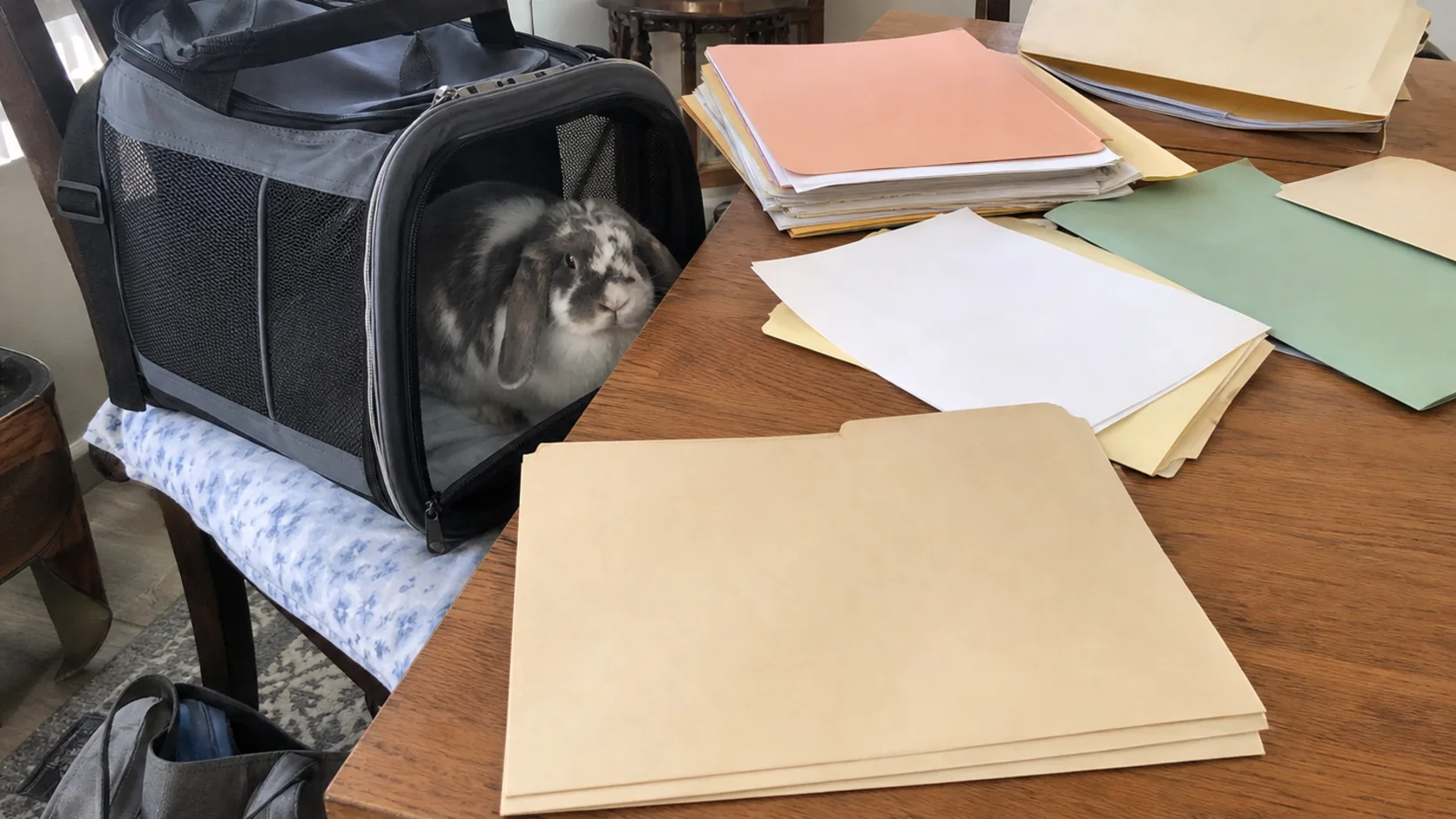
We owned three folders labeled for Clover. Not one of them contained the one record we needed that afternoon.
Read the story
A practical weight-based starting point, plus the factors that change water needs and the signs that matter more than one number.
Read the guide
A realistic starting schedule for daily walks—and the age, health, weather, and behavior signals that should change it.
Read the guide
Most dogs need baths when coat and lifestyle call for one—not because a universal monthly rule says so.
Read the guide
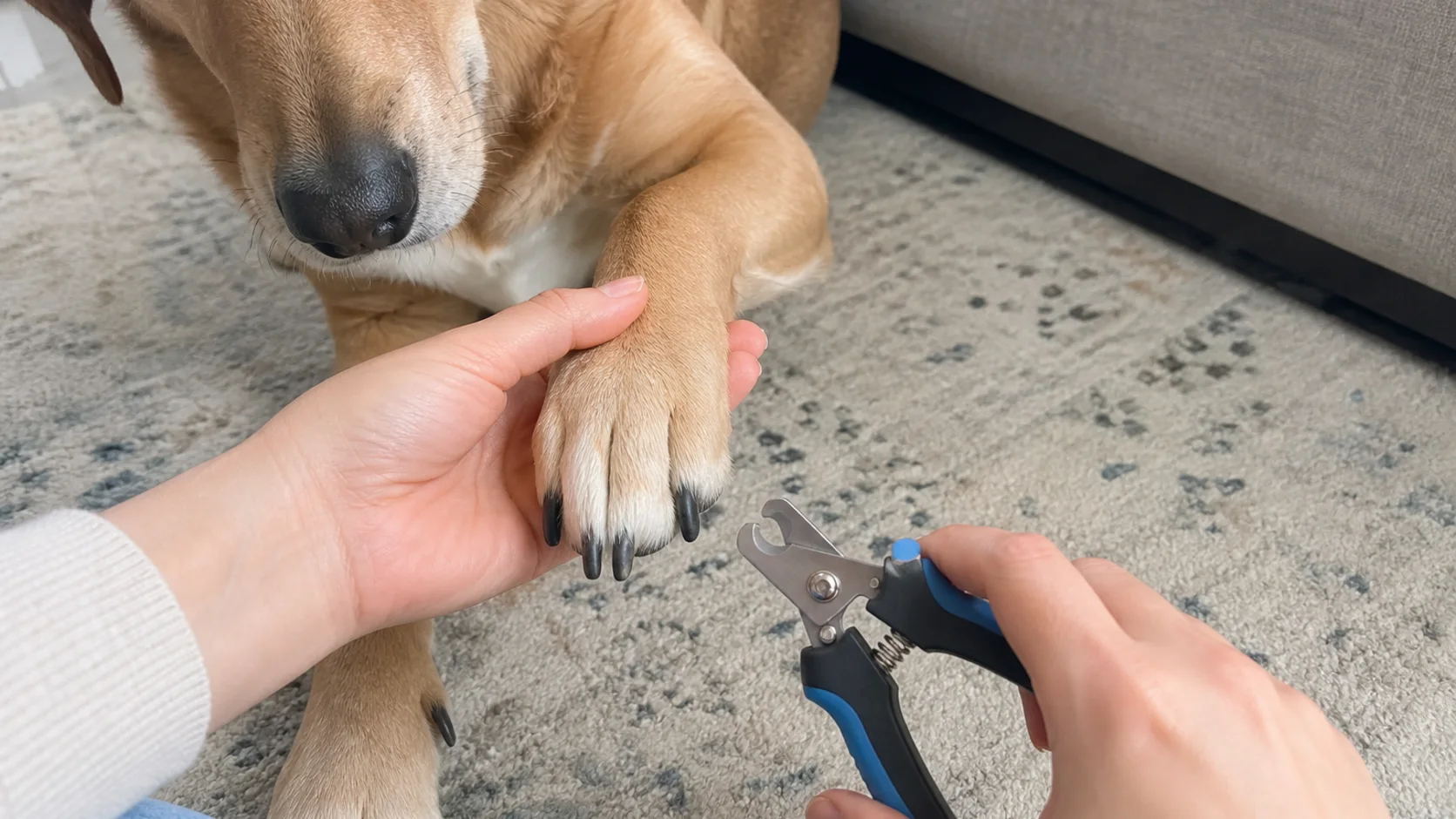
Use the three-to-four-week guideline, then adjust using the way your dog’s nails sound, rest, wear, and grow.
Read the guide
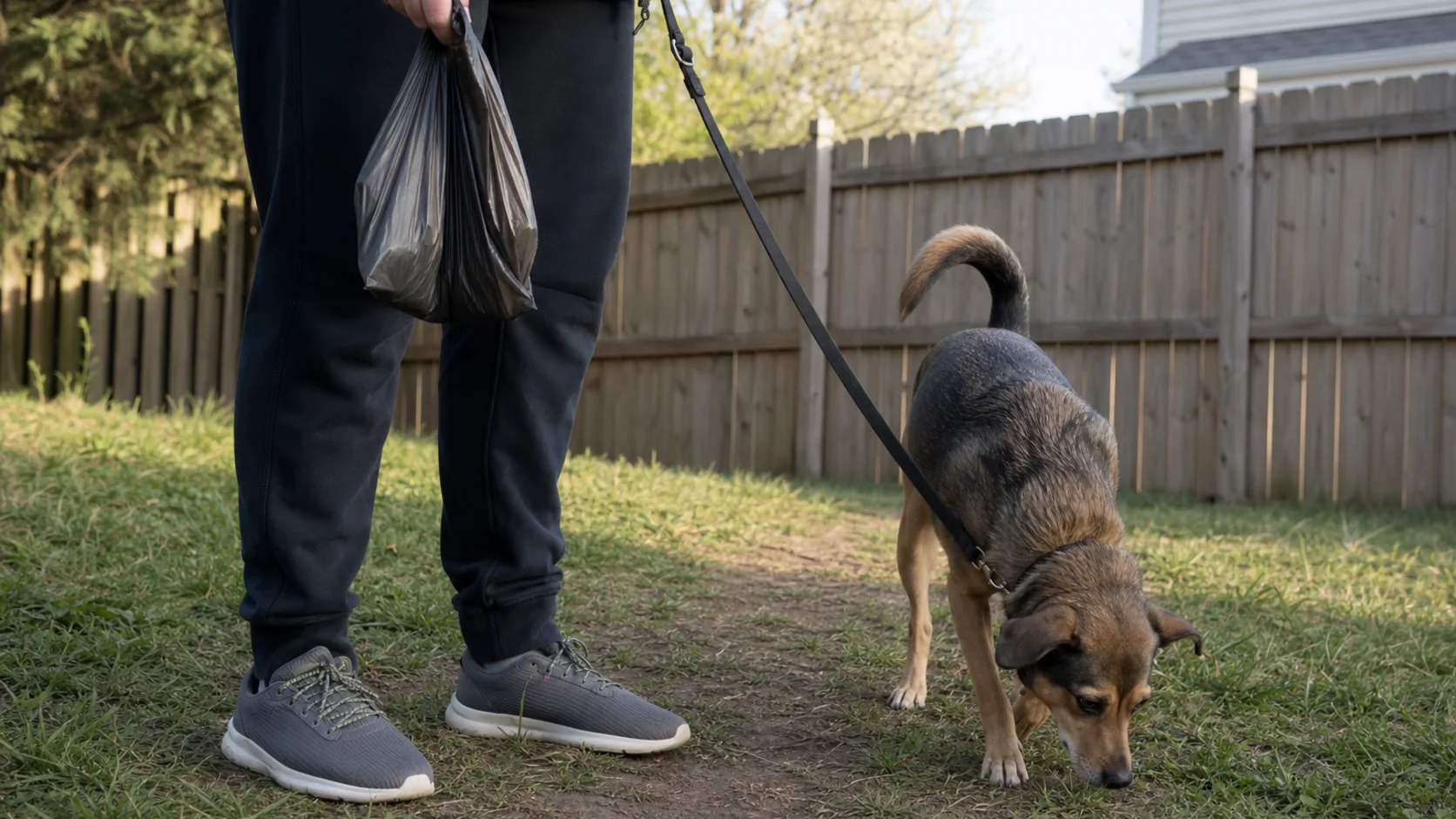
One to three bowel movements is common for adults, but consistency and a change from your dog’s normal pattern matter more.
Read the guide
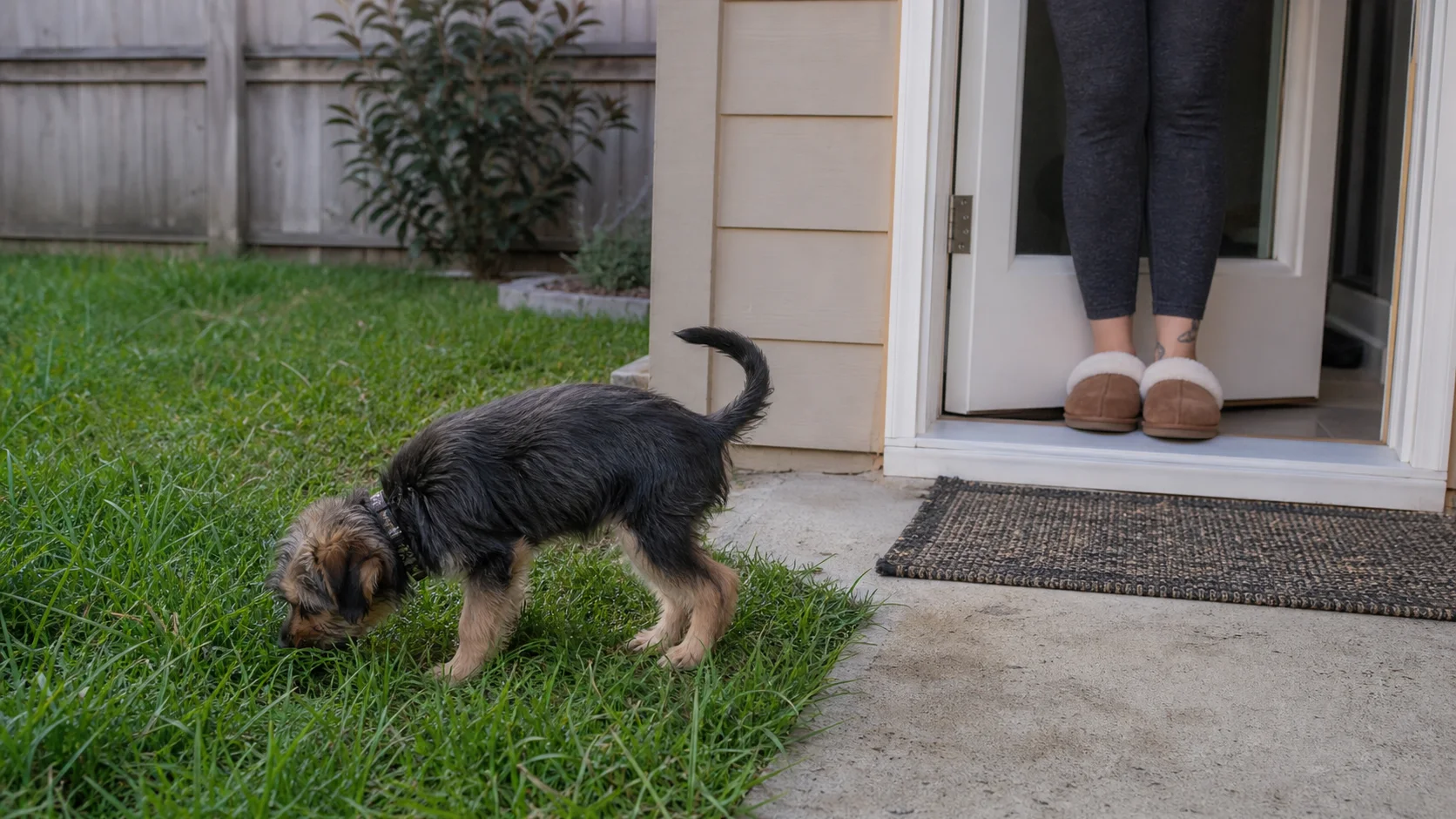
Most occasional grass eating is not a sign of illness—but chemicals, repeated vomiting, and sudden frantic grazing change the answer.
Read the guide
The predictable moments matter most: waking, eating, drinking, playing, confinement, and bedtime.
Read the guide
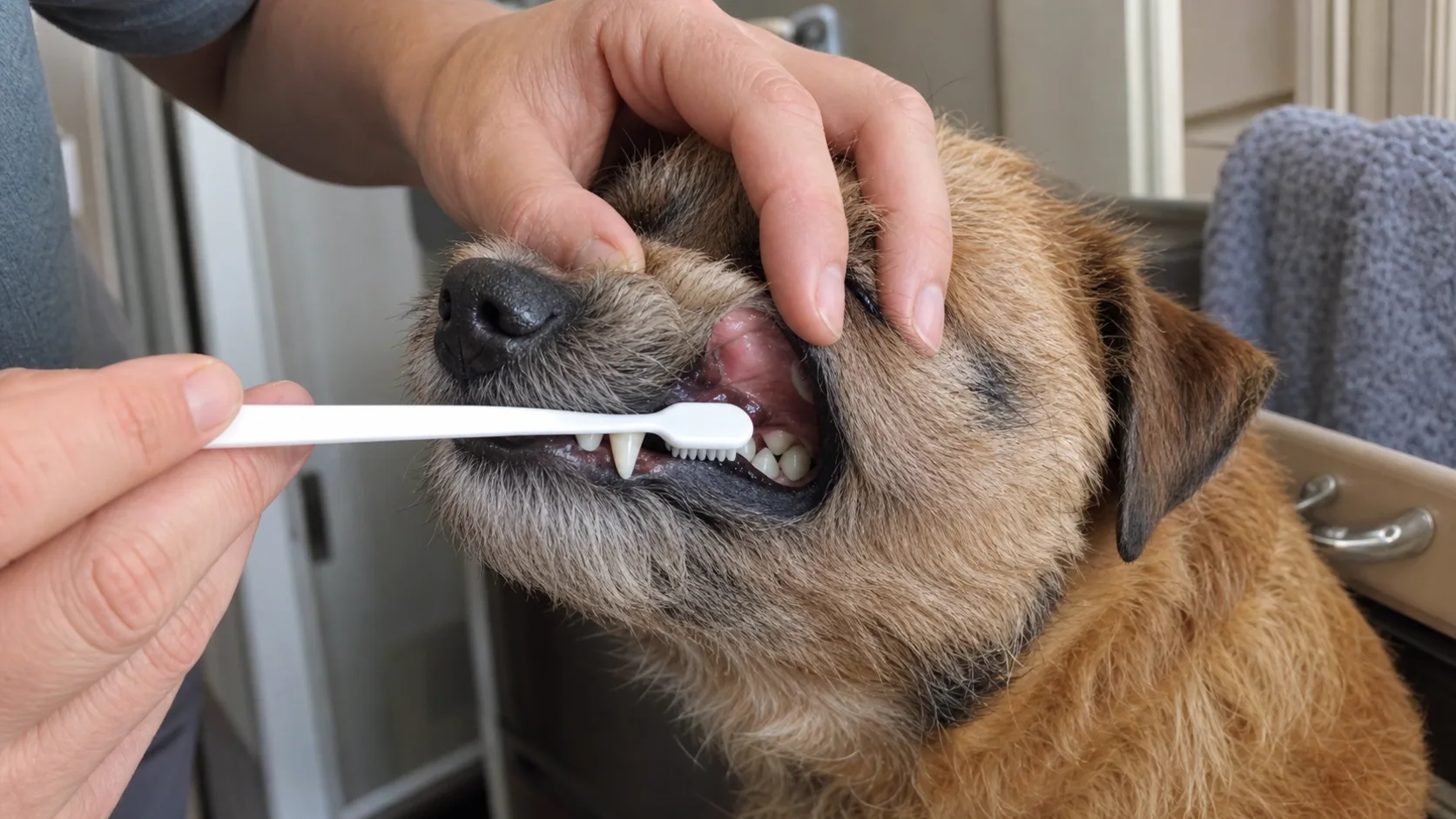
Daily is the goal. The useful question is how to make brushing calm enough that the routine actually survives.
Read the guide
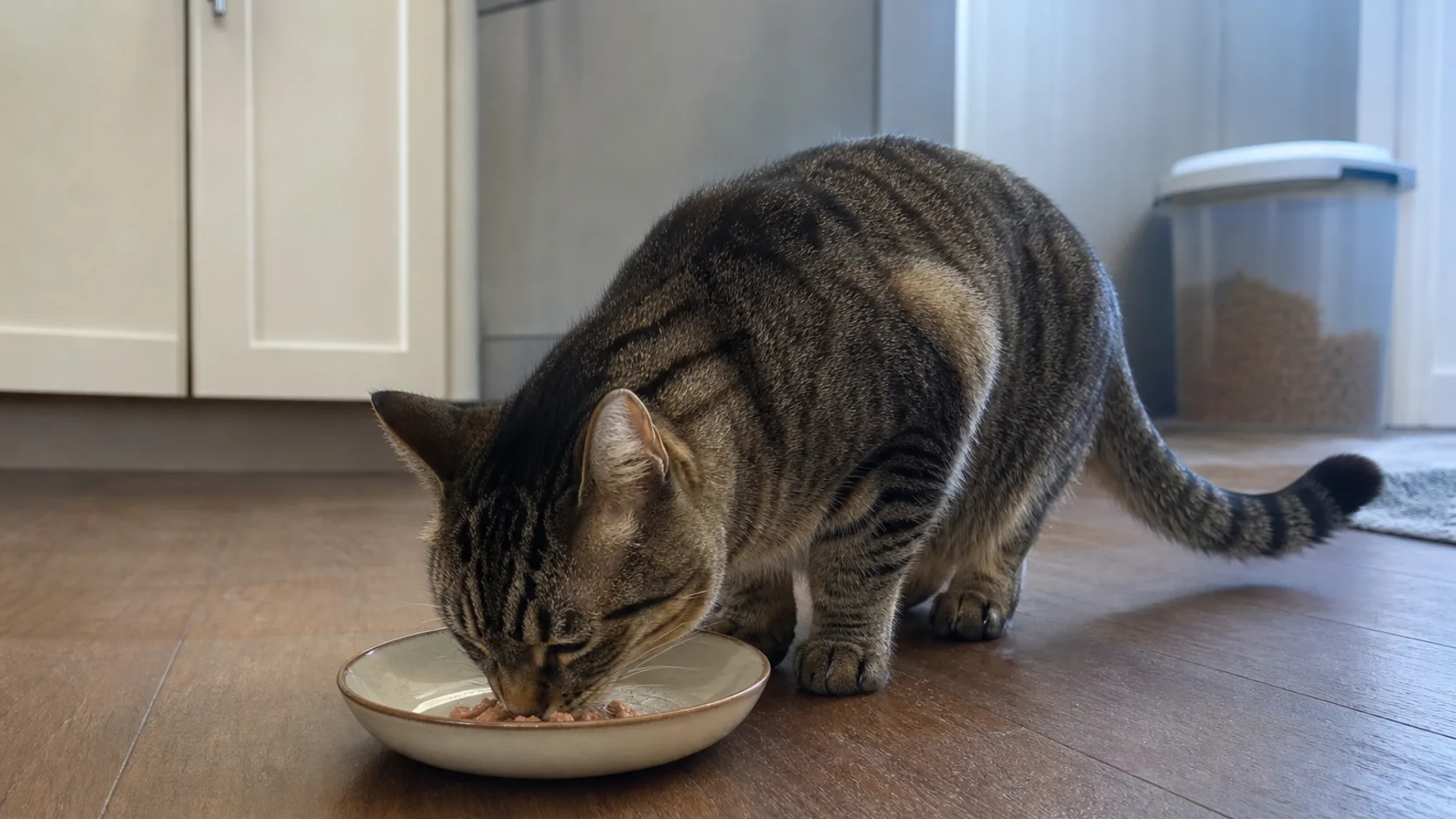
At least two measured meals is a practical adult starting point, with more frequent feeding for kittens and some individual cats.
Read the guide
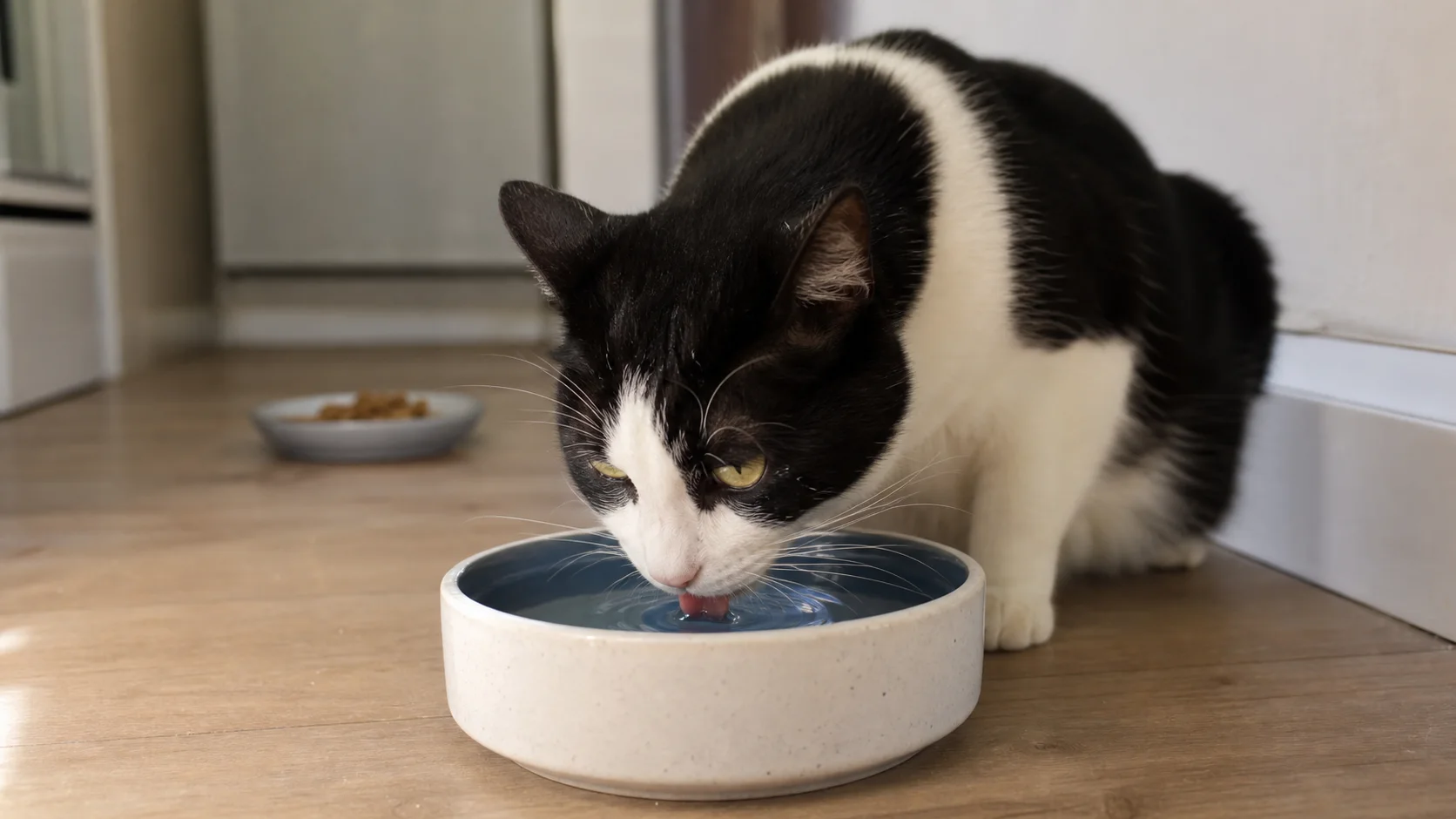
Food supplies much of a cat’s total water, so the change from normal often tells you more than counting bowl visits.
Read the guide

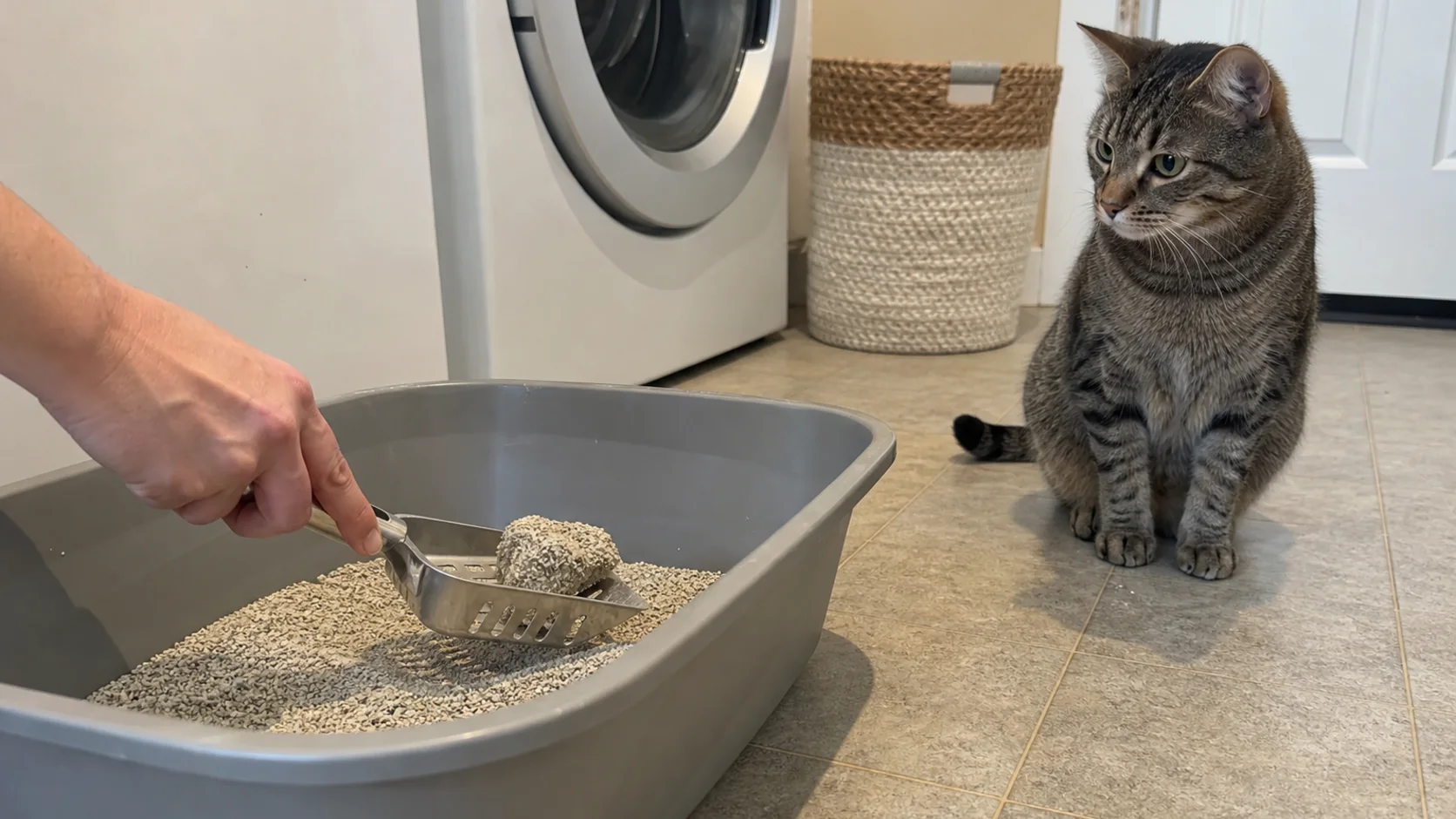
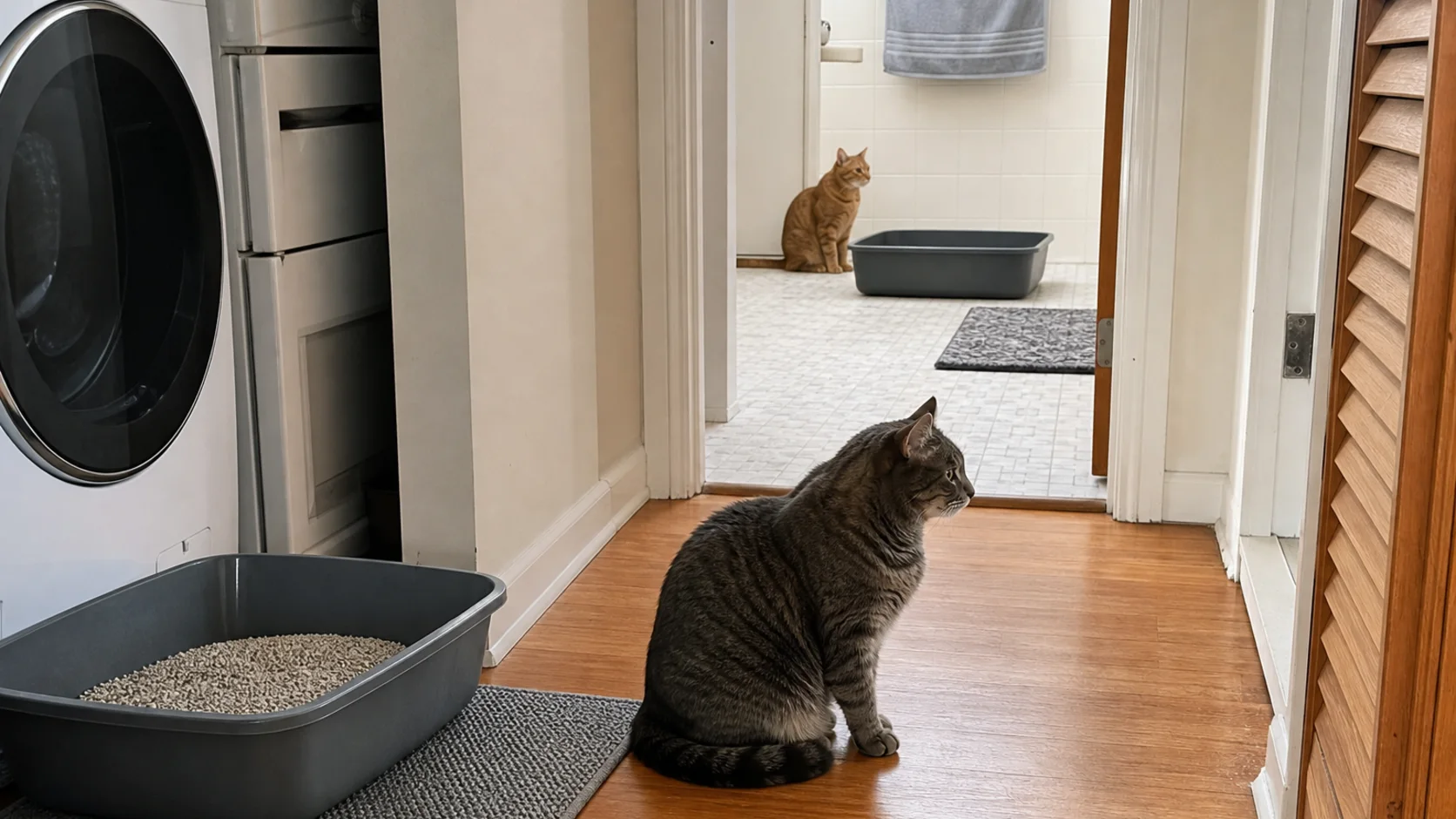
Scoop at least daily, wash on a consistent schedule, and treat sudden avoidance as information—not bad behavior.
Read the guide

Cats can become seriously ill after a short period without enough food. This is a question to act on, not watch for several days.
Read the guide

Two cats start with three boxes—and placing all three beside one another can defeat the point.
Read the guide
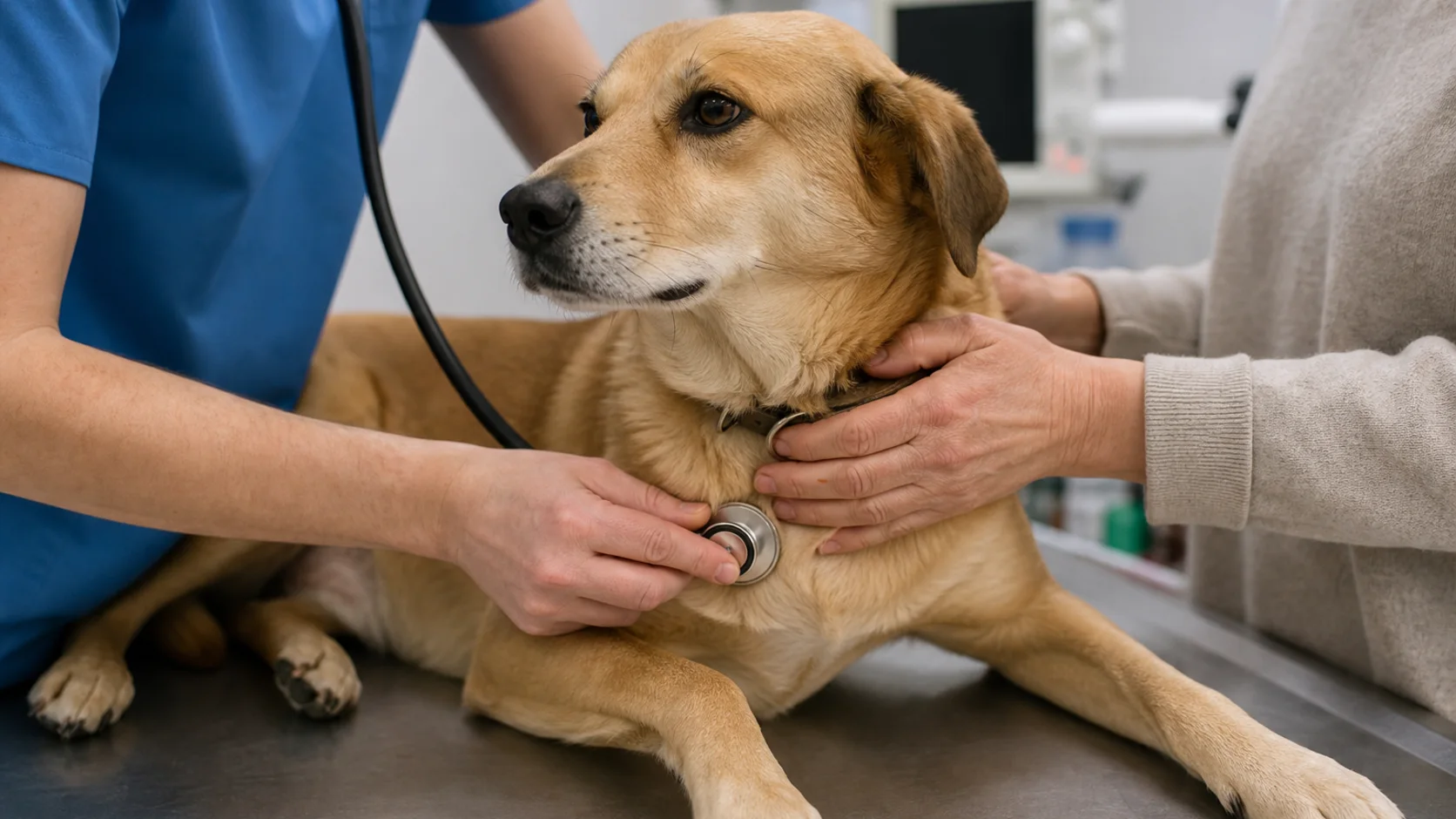
Annual is the healthy-adult minimum; early life, senior years, medication, and chronic conditions need a different rhythm.
Read the guide
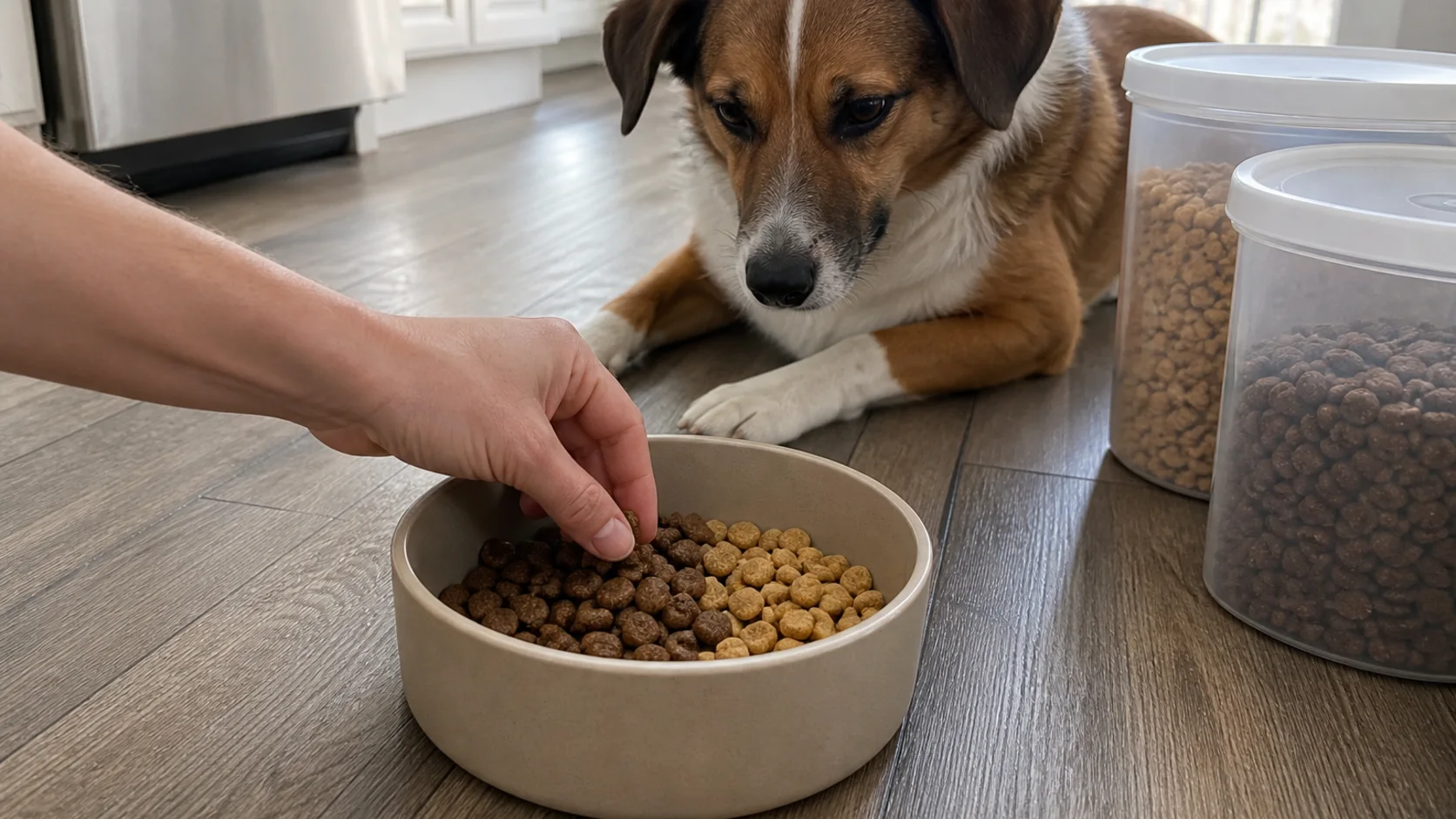
Move from 75% old food to 100% new food in stages, then slow down when your dog’s stomach or treatment plan requires it.
Read the guide
A clear, age-by-age dog feeding schedule—plus practical ways to measure portions, share feeding duties, and avoid accidental double meals.
Read the guide
The essential information every pet sitter needs—from daily routines and medication to emergency plans, home access, and the final handoff.
Read the guide