
Pet sitter instructions checklist: the quick version
A good pet sitter guide covers six things: daily routine, exact food portions, medication instructions, behavior and safety, emergency contacts, and access to your home and supplies.
Open the fillable and printable pet sitter instructions
Write instructions for someone who cares about your pet but does not know the household’s habits. “Feed normally” feels clear to you; “give one level 120 ml scoop at 7–8 a.m. and 6–7 p.m.” is clear to a sitter.
1. Start with your pet’s normal daily routine
Routine reduces uncertainty for both the sitter and your pet. Give a simple day-at-a-glance schedule with flexible windows rather than a long paragraph.
| Time | Care task | Details to include |
|---|---|---|
| 7–8 a.m. | Breakfast | Food, exact portion, bowl location, water refresh |
| 8–9 a.m. | Walk or toilet break | Route, duration, harness, waste bags, triggers |
| Midday | Check-in | Toilet, play, medication, or company needs |
| 6–7 p.m. | Dinner | Portion, supplements, appetite notes |
| Bedtime | Final routine | Toilet break, sleeping place, doors or crate |
For every task, explain what “done” looks like. If your pet sometimes refuses breakfast, say how long to leave the bowl down and when you want the sitter to contact you.
Feeding details a sitter needs
- Food brand and variety, plus where it is stored
- An exact portion in grams, cups, cans, or pouches
- Meal windows and whether food should be removed afterward
- Treat limits and foods your pet must never receive
- How to handle a skipped meal or upset stomach
2. Write medication and health instructions precisely
Do not rely on memory or a quick message for medication. Leave the original labeled container and write the medication name, prescribed dose, route, time, whether it is given with food, storage instructions, and the prescribing clinic’s number.
Demonstrate the medication routine before the trip. If your pet resists, hides pills, or has bitten during handling, be honest. Arrange professional boarding or veterinary support if the care is beyond the sitter’s training or comfort.
Health information to leave
- Allergies, chronic conditions, mobility limits, and recent concerns
- Normal appetite, water intake, toilet habits, and energy level
- Signs that mean “contact me” versus “go to the emergency clinic now”
- Insurance information and where health records are stored
- Veterinary authorization and payment arrangements, where appropriate
3. Make the emergency plan easy to act on
In a stressful moment, the sitter should not have to search an old text thread. Put the emergency plan at the top of the printed guide and save it in a shared digital location.
- Your contact details: phone, messaging app, destination, and time zone.
- Local backup: someone nearby who knows the pet and can make decisions if you cannot be reached.
- Regular veterinarian: name, phone, address, and opening hours.
- Emergency clinic: phone, address, route, and transport plan.
- Authorization: what treatment and spending the sitter may approve under your local rules and clinic policy.
Also explain fire, severe weather, or evacuation plans: where carriers and leashes are, how to safely move each pet, and where the sitter can take them.
4. Cover behavior, safety, and the home
The best pet sitting instructions include the details that feel too ordinary to mention: a cat that darts through the garage, a dog that guards food, or a gate latch that needs a second check.
Behavior and safety
- Escape risks, recall reliability, and whether off-leash activity is allowed
- Reactivity to dogs, people, bicycles, wildlife, or noises
- Resource guarding, bite history, handling sensitivities, and safe boundaries
- Allowed rooms, furniture rules, crate routines, and sleeping arrangements
- Collar, harness, carrier, and identification details
Home access and supplies
- Keys, entry code, alarm steps, parking, and Wi-Fi
- Food, treats, bowls, leashes, waste bags, litter, towels, and cleaning products
- Thermostat, trash day, plant care, and mail only if the sitter agreed to handle them
- Where the pet may be photographed and whether images may be shared online
5. Do a real handoff before you leave
Schedule a meet-and-greet in the home. Walk through one feeding, the leash or carrier setup, medication if applicable, doors and alarms, and the emergency plan. Let your pet see the sitter moving through the routine.
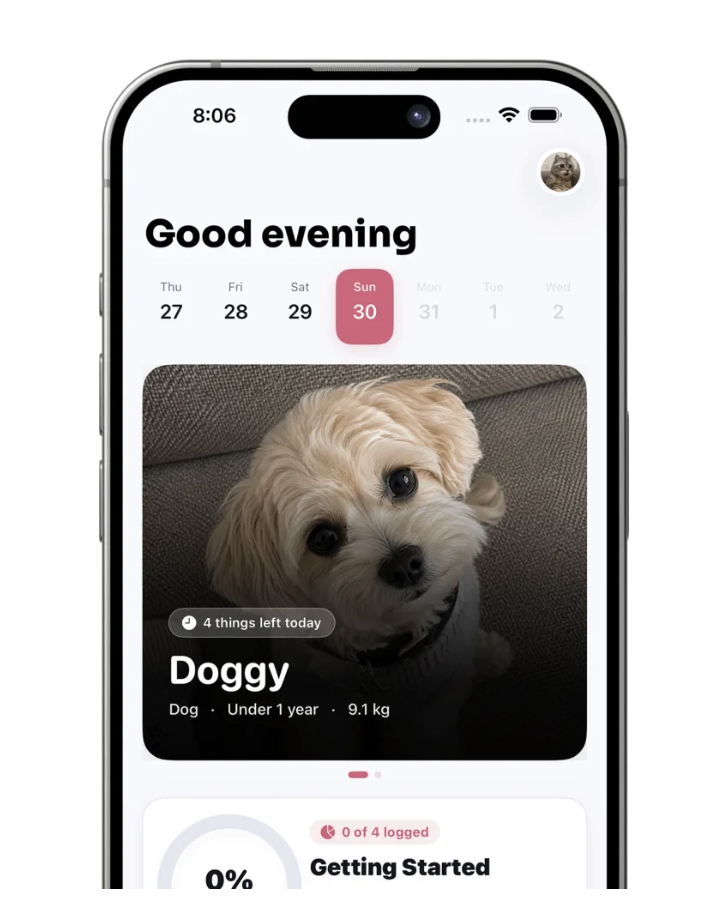
Before departure, replenish supplies, label containers, update identification, remove hazards, and send the final travel details. Ask the sitter to record meals, walks, medication, toilet breaks, and anything unusual. A shared pet care app keeps those updates in one place and reduces repeated check-in messages.
The final five-minute check
- Are the written instructions current and readable?
- Can the sitter find every care item without asking?
- Does the sitter know exactly when to contact you or a veterinarian?
- Have you agreed on update frequency and format?
- Does the sitter feel comfortable saying no to anything outside their experience?
Sources and editorial note
This guide was prepared by the Petive Editorial Team using guidance from established veterinary and animal-care organizations. Unless a named reviewer is shown, it has not been independently reviewed by a veterinarian. It provides general educational information, not veterinary diagnosis or treatment. Ask your veterinarian about your individual pet.