How many times a day should a dog eat?
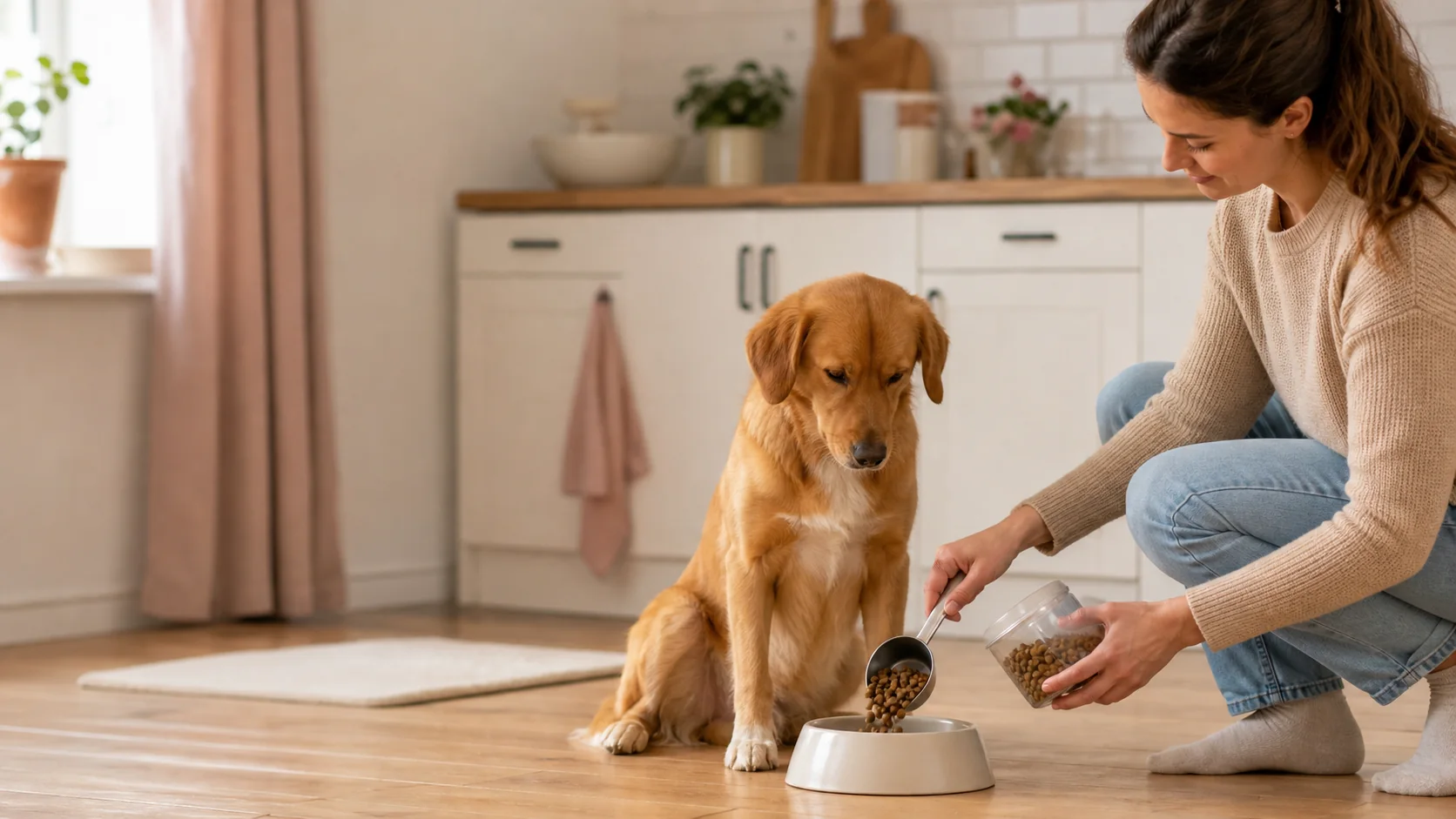
Most healthy adult dogs do well with two measured meals a day. Puppies usually need three or four smaller meals because they are growing quickly and have smaller stomachs. Your dog’s ideal schedule can change with age, breed size, activity, health, and the food you use.
There is no single timetable that fits every dog. VCA Animal Hospitals notes that at least two meals per day is the most common recommendation, while some dogs need more frequent meals because of their size or a medical condition. Treat the schedule below as a practical starting point, then confirm it with your veterinarian.
Dog feeding schedule by age
| Life stage | Typical meals per day | Practical rhythm |
|---|---|---|
| 8–12 weeks | 3–4 meals | Breakfast, midday, late afternoon, early evening |
| 3–6 months | 3 meals | Breakfast, lunch, dinner |
| 6–12 months | Usually 2 meals | Morning and evening |
| Adult dogs | Usually 2 meals | Two consistent meals spaced through the day |
| Senior dogs | Often 2; sometimes more | Follow your veterinarian’s advice and your dog’s needs |
The American Kennel Club’s puppy guidance moves from about four daily meals at 6–12 weeks, to three meals at 3–6 months, then toward two meals between 6 and 12 months. Breed size matters: large and giant breeds mature later, and very small puppies may need more frequent feeding.
Frequency is only half the answer: portions matter too
“Twice a day” describes when to feed, not how much. Start with the daily amount on the food label for your dog’s current weight and life stage. Divide that total across the day’s meals—do not serve the label’s daily amount at every meal.
Package directions are a starting estimate. Calories vary between foods, and two dogs of the same weight may need different amounts. Your veterinarian can help you adjust for body condition, activity, neuter status, growth, and health.
A simple portion routine
- Use the same measuring cup or, for better precision, a kitchen scale.
- Write down the total daily amount and how it is divided.
- Count treats and training rewards as part of the day’s intake.
- Check weight and body condition regularly instead of waiting for a major change.
- Ask your vet before making a large calorie reduction or changing a prescribed diet.
How to build a feeding routine your household can follow
Consistency makes it easier to notice changes and prevents the classic shared-household problem: two people each assuming the other has not fed the dog. Pick meal windows that fit the home—not an exact minute that becomes stressful.
- Choose two clear windows. For example, 7–8 a.m. and 6–7 p.m.
- Assign or log each meal. Everyone should be able to see when feeding is complete.
- Keep the portion visible. Store a written amount with the food or in your shared care record.
- Record appetite changes. Note a skipped meal, unusually slow eating, vomiting, or a sudden increase in hunger.
- Keep fresh water available. Unless your veterinarian gives different instructions, water should not be restricted.
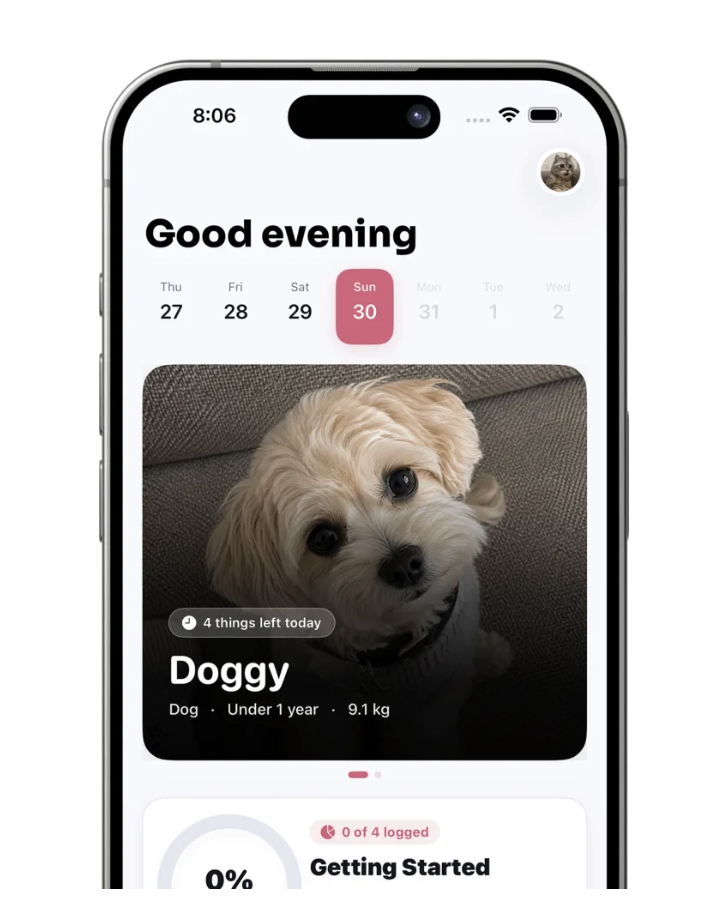
A daily pet care tracker is especially useful when partners, children, walkers, or sitters share feeding duties.
When should you change your dog’s feeding schedule?
Review the routine when your dog moves into a new life stage, gains or loses weight, starts a new medication, changes activity level, or is diagnosed with a health condition. Change food gradually unless your veterinarian says otherwise; sudden switches can cause digestive upset.
Call your veterinarian about appetite changes
A regular schedule helps you spot a break from normal. Contact your veterinarian if your dog suddenly refuses food, repeatedly vomits, has diarrhea, seems painful or unusually tired, loses weight, drinks or urinates much more than normal, or shows another concerning change. Puppies and dogs with chronic illness may need faster attention.
Common dog feeding questions
Is it okay to feed a dog once a day?
Some healthy adult dogs may tolerate one daily meal, but veterinary sources commonly recommend at least two. Two meals can support a predictable routine and make portions easier to manage. Ask your vet before changing frequency, especially for puppies, seniors, or dogs with medical needs.
Should I leave food out all day?
Free feeding can make intake harder to measure and appetite changes harder to notice. Scheduled, measured meals generally give a household a clearer picture of what a dog ate. Your veterinarian may recommend a different approach for an individual dog.
What time should I feed my dog?
The best times are consistent windows your household can maintain. Many families use morning and early evening. If medication must be given with food or your dog has a medical condition, follow the timing provided by your veterinarian.
Sources and editorial note
This guide was prepared by the Petive Editorial Team using guidance from established veterinary and animal-care organizations. Unless a named reviewer is shown, it has not been independently reviewed by a veterinarian. It provides general educational information, not veterinary diagnosis or treatment. Ask your veterinarian about your individual pet.